The Welcome Written Down: What a Technical Rider Tells a Venue About the Dance
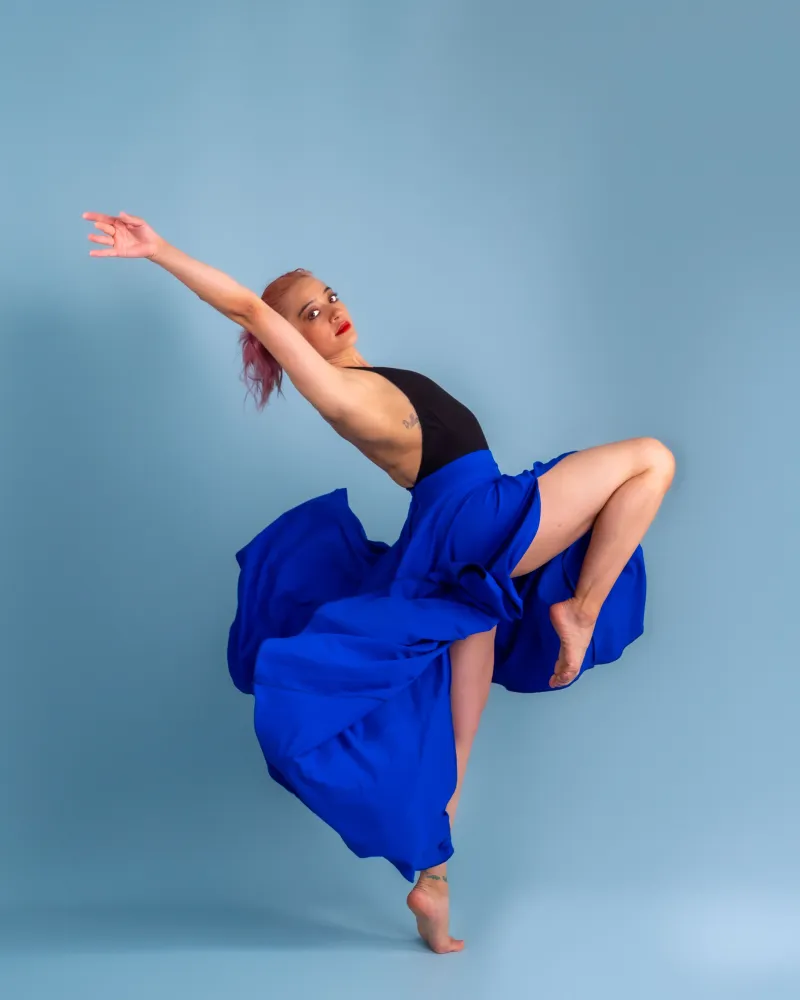
Photo: dance company technical rider clipboard stage lighting cables backstage UK theatre, via images.pexels.com
Most technical riders arrive as a PDF attached to an email with a subject line that begins RE: RE: RE: get-in. They can look like admin: cable runs, dimmer racks, floor tape, a request for a quiet room and a parking space. In a busy UK venue, it is tempting to read the rider for the practical facts and skip the rest. But a rider is also a score. It sets the tempo of the day before anyone has put on a warm-up layer. It tells the building what kind of body is about to work in it, and what kind of attention that body needs in order to do the work well.
At Janis Claxton Dance, we have come to think of the rider as the first choreography of a visit. Not because it is artistic in a precious way, but because it arranges people, time and space. It decides where the coffee table goes, how long the dark time lasts, whether the company can find a quiet corner at 4pm, and whether the stage floor is kind enough for bare feet. None of that is separate from the dance. It is the ground the dance stands on.
The document that starts before the get-in
A rider begins working long before the van is unloaded. If it asks for ninety minutes of focus before doors, the venue schedules the afternoon differently. If it asks for a step-free route from loading bay to stage, the building has to walk that route in advance. If it asks for a local crew briefing rather than a set of instructions shouted across the stalls, the day starts with a conversation instead of a scramble.
That is choreographic material. A get-in is a sequence of small agreements: who lifts what, when the floor is laid, where the cases live, how the lighting session overlaps with the warm-up. The rider is the notation for those agreements. When it is read well, the company arrives into a room that has already begun to hold them.
A map of a body at work
Dancers are not riders on a stage; they are people with knees, backs, hearing, energy and concentration that has to last through a show and a journey home. A rider that specifies a warm-up space, a quiet room, water, a sensible schedule or a floor condition is not asking for luxury. It is describing the instrument.
In UK venues, the difference between a good and a difficult day often comes down to small environmental details: a draughty wing, a changing room with no lockers, a stage that is too cold for a long physical warm-up, a green room that doubles as a thoroughfare. A rider can name these things in advance. It can say: this is how we work best. It can also say: this is what we can adapt to. That honesty is useful. It gives the venue something to plan with rather than something to guess at.
Access is not an add-on
Access requests in a rider are sometimes treated as a separate conversation, as if they belong to a different department. But access shapes the whole score. A step-free route to the stage, an accessible toilet near the dressing room, a BSL interpreter for the pre-show talk, a relaxed performance, captioning, a quiet space for a neurodivergent company member — these are not footnotes. They change how the work can be made and received.
When access is written into the rider, it becomes part of the hosting plan from the first email. That is better for everyone. It avoids the last-minute rearrangement that eats into rehearsal time, and it signals that the company sees access as creative infrastructure rather than a compliance box. For a venue, reading that signal early can change how they programme the whole week.
Sustainability and the shape of travel
A rider can also choreograph a tour's carbon footprint. Train travel instead of short-haul flights, local crew instead of extra vans, refillable water instead of cases of plastic bottles, a lighting plan that uses less power, a set that fits one vehicle rather than two. These choices are practical, but they are not neutral. They alter the rhythm of the day. An earlier train means a different get-in. A smaller set means a faster fit-up. A local crew means a shorter handover and a longer conversation.
Venues can learn from riders that treat sustainability as a working condition rather than a slogan. It is easier to support a company that has already thought through the trade-offs. It is also easier to say no when the building cannot meet a request, and to say yes to something else that helps.
The honesty clause
A rider that pretends every venue is the same is a fiction. The best riders are clear about what is essential, what is negotiable and what is simply a preference. They name the load-bearing requests and leave room for the building's reality. That kind of honesty is choreographic because it creates trust. Trust changes how people speak to each other at 9am. It changes how quickly a problem gets solved.
For venues, the invitation is to read the rider as a conversation starter, not a checklist to survive. Ask which items matter most. Explain what the building can and cannot do. Offer an alternative before it becomes a compromise. The rider is not a demand; it is a proposal for how to share a room.
A score for being hosted
The technical rider is one of the spaces between the stage and the building. It is where care becomes practical, where access becomes architecture, and where a company's values are tested against a real floor and a real clock. When it is read well, the audience feels something they cannot name: the room is ready. The dancers are not just arriving. They are being hosted. And the dance has already begun.