The Suitcase and the Hall: Seven Field Notes from a Rural Dance Tour
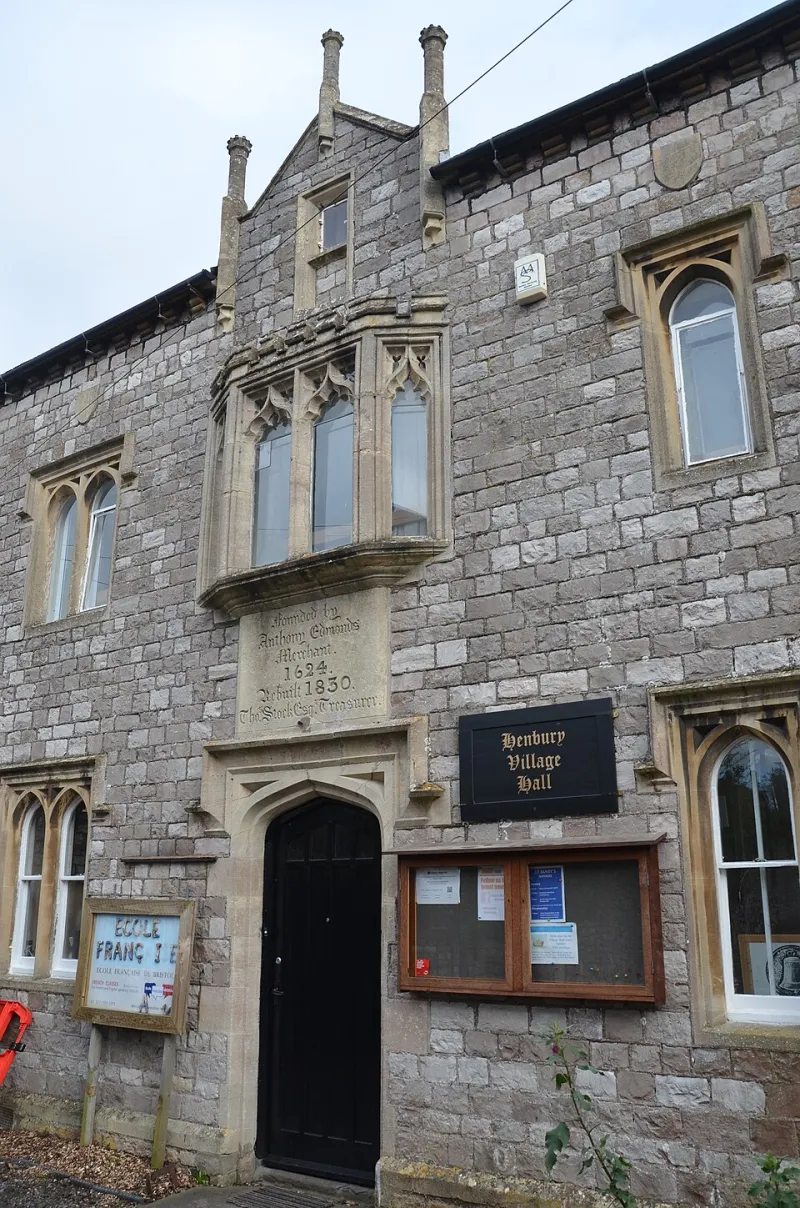
Photo: Hamburg103a, CC BY-SA 4.0, via Wikimedia Commons
This autumn I packed a compact double bill into a hired van and took it to seven village halls and community centres. We had three performers, two technicians, a roll of dance floor, a bag of lamps and a suitcase of costumes. The tour was not a scaled-down version of a city theatre run. It was its own form: more exposed, more conversational, and often more eventful. For anyone programming or planning a 2026 rural tour, here are seven lessons I keep coming back to.
1. Let the room rewrite the staging plan
No two halls had the same dimensions, floor surface or sightlines. One had a pillar exactly where I had imagined the audience entrance. Another had a low beam that made our opening lift look like a health-and-safety seminar. The useful response is not to force the show into a fixed shape but to build in a flexible one: a floor plan A, B and C; tape marks that can move; a set that folds; lighting positions that do not depend on a grid. Before we set anything, we walked the room from the back row, the side aisle and the fire exit. We asked the caretaker where chairs usually go and where they never go. That five-minute conversation saved us an hour of guesswork. Flexibility is not a compromise. It is a staging idea in its own right.
2. Treat the local host as a collaborator, not a steward
The person who meets you at the door often knows the room better than any technical rider. They know which entrance audiences use, when the boiler makes a noise, whether the interval tea is a fixture, and which local group will turn up in force. On this tour, the hosts were not just unlocking doors. They were dramaturgs of the evening. We started giving them three sentences to say instead of a full script: who we are, what the audience is about to see, and the one practical thing they need to know. That short welcome did more than a long programme note. It also gave us permission to be newcomers in a room that already belonged to someone else.
3. Make low-tech light part of the language
Village halls rarely offer a black box, a lighting desk with memories, or a proper blackout. What they do offer is intimacy, odd corners and the chance to use light as a visible, handmade element rather than a hidden machine. We toured two warm LED stands, a small dimmer and a battery lamp. We rehearsed a version of the show that could survive a blown fuse. Instead of pretending we had a full theatre rig, we let the light be simple and legible: a pool here, a shadow there, a slow fade that the audience could see happening. Low-tech light is not an apology. It can be an aesthetic, as long as you plan for it rather than panic on the day.
4. Use proximity instead of volume
In a hall with no rake, the front row is close enough to hear breath. That changes the performance. You cannot simply scale up the gestures and hope for the best. You have to scale down, invite the audience in, and trust that stillness can carry. We reworked a few passages so that the dancers acknowledged the nearness without turning the show into a meet-and-greet. The result was not less theatrical. It was more precise. Contemporary dance can feel eventful without being loud or over-explained. Sometimes the event is a single look, held a fraction longer than expected, in a room where everyone can see it.
5. Build the interval into the choreography
In a rural hall, the interval is often the social engine of the night: tea urn, cake, raffle, a chance to talk to the person who drove you there. We stopped treating it as dead time between two halves and started treating it as a threshold. We kept the first half shorter, made sure the bar was easy to find, and left a few chairs out for people who needed to sit rather than queue. The interval does not have to be part of the artwork, but it is certainly part of the evening. A little attention to its choreography makes the whole event feel considered rather than merely accommodated.
6. Risk needs a contract, not a dare
Rural audiences are not more timid than urban ones, but they are often less familiar with contemporary dance as a form. That means the risk has to be earned. We learned to be clear about what the work contains, without turning the introduction into a lecture. A short content note, a visible welcome, a programme that says how long the piece lasts and whether there is an interval: these are not spoilers. They are the terms of the contract. Once the audience knows what kind of night they are in, they will often go further with you than you expect. The aim is not to dilute the work. It is to create the conditions for people to take it seriously.
7. Leave a useful trace
After the last bow, the work of the tour is not over. We started doing a short debrief with the host before we packed the van: what worked, what confused people, who else in the area might programme the show, what we should bring next time. We cleaned the tape off the floor, thanked the caretaker, and shared a couple of photographs that the venue could use. These small acts are not admin. They are how rural touring builds a reputation. The next promoter talks to the last one. A good trace is worth more than a glossy flyer.
Seven halls did not teach me that rural touring is charming or quaint. They taught me that it is exacting, relational and full of risk in the best sense. The audience is not a monolith, and the room is never neutral. If you are planning a 2026 rural tour, my advice is simple: arrive early, ask questions, keep the show flexible, and treat the people who host you as part of the creative team. The work does not get smaller. It gets closer.