How We Leave the Room: Seven Ways to End a Community Dance Workshop
Most workshop plans spend pages on the warm-up and almost nothing on the goodbye. We plot the first ten minutes like a heist: arrival, names, shoes off, pulse up, confidence gently inflated. Then the clock tips into the final stretch and suddenly we are improvising a farewell while someone is still looking for a hair bobble.
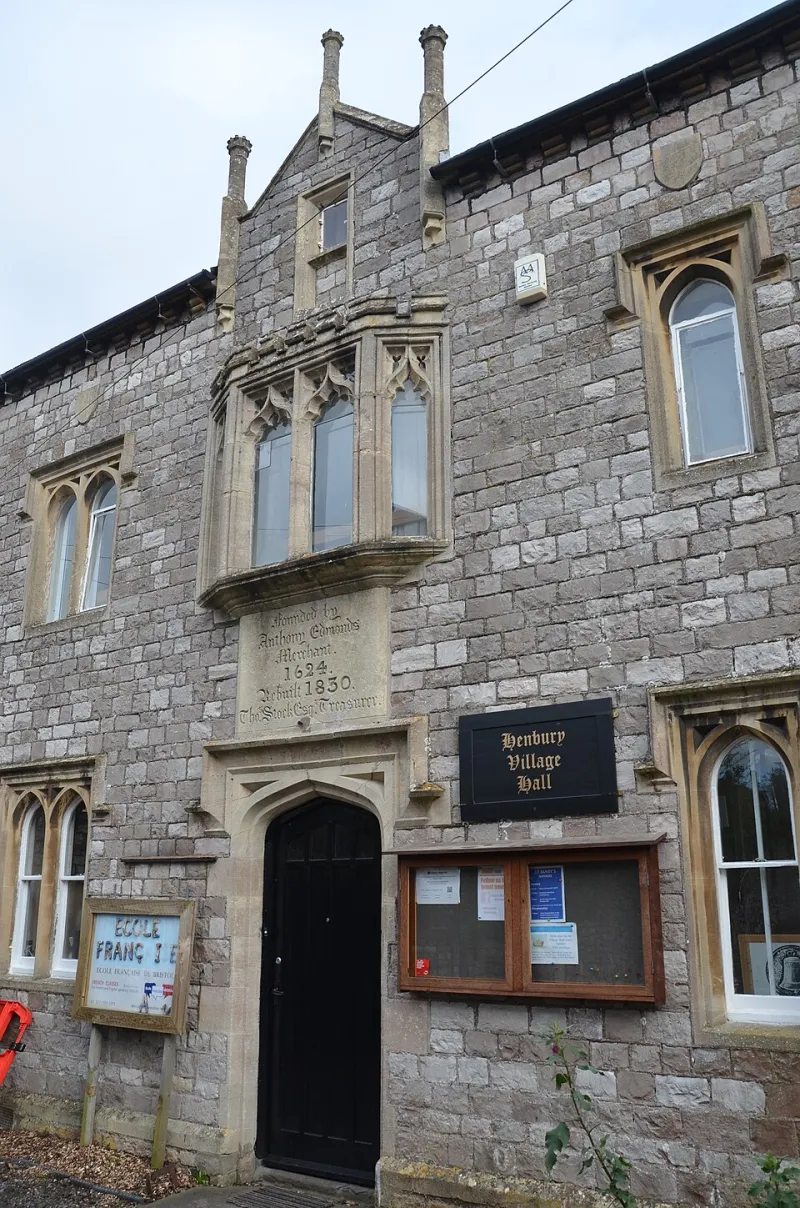
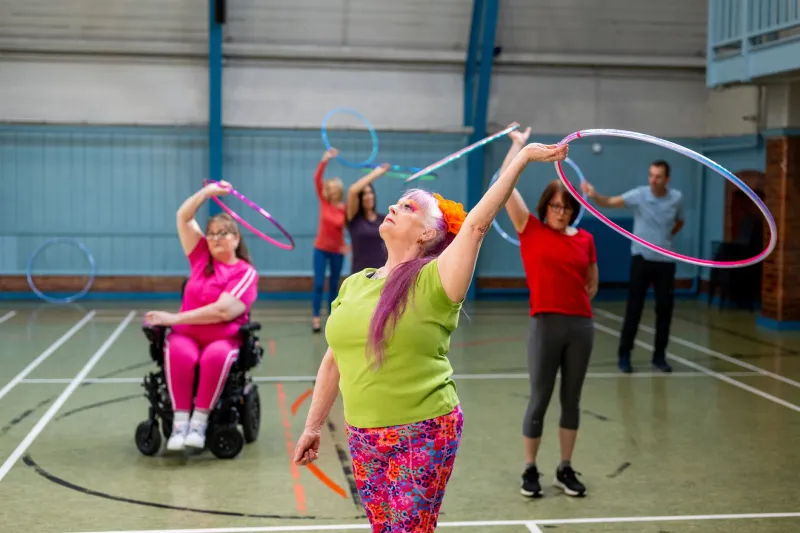
I have led and assisted community sessions in village halls, libraries, care homes, youth centres and one memorable sports hall with a bad echo and a very good caretaker. The endings that stay with me are not the ones with the biggest applause. They are the ones where people had time to come back to themselves, to the room, and to each other.
Endings are choreography too. Here are seven ways I try to shape them.
1. Start the ending before it starts
The last ten minutes begin at minute fifty, not minute eighty. If a session is two hours, I start lowering the temperature twenty minutes out. I say it out loud: 'We are moving towards the end now.' That simple announcement does something. People stop scanning for the next instruction and start noticing where they are. It also stops the ending from arriving as a surprise, which is the enemy of a held goodbye.
2. Give the cool-down a job
A cool-down can be more than a stretch. It can be a transition. I like to pair it with a simple question: what are you taking with you? Not a big emotional excavation. Just a word, a shape, a sensation. People can answer silently or share. The point is to let the body settle while the mind catches up. A calf stretch with a thought in it is still a calf stretch, but it is also a small act of integration.
3. Leave room for the awkward bit
Every workshop has an awkward bit near the end. Someone needs to leave early. Someone has lost a coat. Someone wants to tell you a long story about their knee. Someone is not ready to stop. If I pretend the awkward bit is not happening, it grows. If I make a little space for it, it becomes part of the ending. I build in five minutes of buffer. Not 'buffer' as in empty time, but 'buffer' as in human time.
4. End in the same shape you began
This is a simple ritual, and rituals help. If we started in a circle, we end in a circle. If we started with names, we end with names. If we started with a check-in, we end with a check-out. The symmetry tells the body that the session has a container. It does not need to be sentimental. It can be as plain as: one word, one breath, one look around the room.
5. Let the room say goodbye too
We often leave a space as if it were a hired resource rather than a place we have been living in. I like to give the room a moment. Stack the chairs together. Open a window. Stand in the doorway and look back. In a church hall, that might mean noticing the light on the noticeboard. In a school gym, it might mean listening to the echo one last time. It sounds whimsical. It is also practical: it slows the exit and stops the final minutes from becoming a stampede for the door.
6. Make the goodbye specific
A general 'thanks, that was great' is friendly but forgettable. A specific goodbye lands. 'I noticed how you softened your landing in the second half.' 'Thank you for trying the partner work even though you said you would not.' 'I saw you help someone find the rhythm.' Specific feedback is not flattery. It is evidence that you were watching. In community settings, being watched with care is often the whole point.
7. Protect the last minute
The last minute is the most fragile part of the session. It is when people start checking phones, gathering bags, asking about next week. I try to protect it with a small, repeatable ending: a closing circle, a collective breath, a wave. Nothing elaborate. The same thing each week. Repetition makes it easier to leave, because everyone knows what is coming. The ending becomes a place, not a scramble.
None of this is complicated. It is mostly a matter of deciding that the goodbye is not the bit after the dance. It is part of the dance. In community practice, people often arrive carrying a lot and leave carrying a little less. The final ten minutes are where that shift happens. Choreograph them with the same care as the opening. The room will notice. So will the people in it.